
CALM 528 · A complementary personal session in the clinic
An hour of attention and rest, with an anchor for your day.
Pause for a personal session with Yoni. Conversation, grounding and a tailored sound setting support practice at your own pace.
You do not need to arrive calm or explain everything perfectly. We begin at your pace.
Contact us for more details. A short fit-check request is enough.
- 60 minutes
- Conversation + CAPSoul
- Central Tel Aviv
- Parking available
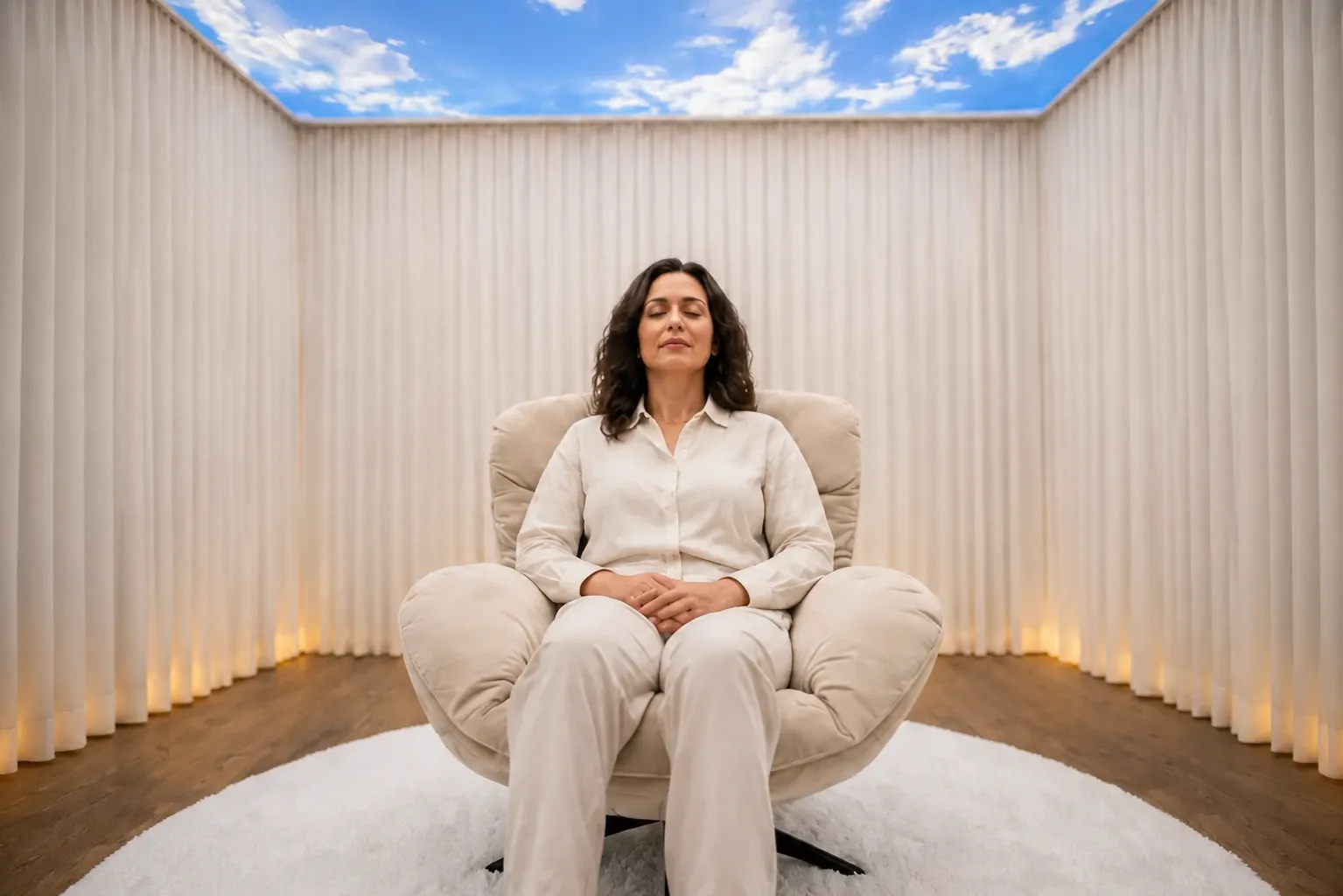
Understand what is happening
Grounding brings attention to contact with your surroundings and a possible action in the present. It can be practised while stress remains; complete relaxation is not required or guaranteed.
Professional background (English)Explore this moment in 528 · articles in Hebrew
Everyday stories and experiments for reflection at your own pace.
528 · 4 דקות קריאה
הקול הפנימי ברגע של לחץ
דווקא כשמשהו משתבש, הקול הפנימי עלול להפוך חד. מחקר קטן ותרגיל קצר מציעים דרך להישאר בצד שלנו בלי לוותר על אחריות.
528 · 4 דקות קריאה
לא לנטוש את עצמכם בהמתנה
אחרי הודעה אמיצה מתחילה לעיתים המתנה שמכווצת את כל הערב. כך נשארים נאמנים למה שהרגשנו בלי למסור לתשובה של אדם אחר את הערך שלנו.
Feel understood before having to explain
Anxiety does not always shout. Sometimes it simply keeps the system from resting.
Anxiety and stress can show up in different ways. Choose the line closest to this moment for a short explanation, the choice stays in the browser and is neither saved nor sent.
This does not mean a person is broken. Sometimes a protective system keeps working after the present moment is ready for a different response.
Understand what holds the overload
When the body alerts and the mind tries to explain, a loop forms
The aim is not to silence the signal by force. We identify the sequence first, then build a new point of choice inside it.
- 1
Uncertainty or a trigger
- 2
The body goes on alert
- 3
The mind searches for an explanation
- 4
Checking, overthinking, or avoiding
- 5
Brief relief, and a stronger loop
CALM 528 works on the way back, not on fighting another symptom.
One hour with a clear structure
What happens during the 60 minutes?
There are no surprises and no need to guess what is expected. The session moves through four simple parts at a pace that fits the person who arrives.
0–10 minutes
Arrive and define the aim
A calm conversation about what needs to shift and what a useful, realistic session would look like.
10–25 minutes
Map the loop
We identify what appears first in the body, thoughts, and behaviour, and what keeps the alertness going.
25–50 minutes
Practise a way back in CAPSoul
Focused work with breathing, grounding, attention, and a quiet, low-stimulation sound environment.
50–60 minutes
Finish with a practical anchor
We note what helped and create a short action for the next time the overload returns.
Life outside the room
What is the practical aim of the session?
- Notice rising alertness earlier.
- Understand what activates and reinforces the loop.
- Practise a personal anchor for use outside the room.
- Create more space between the body's signal and the response.
- Know the next small step and when additional care is needed.
Control, choice, and pace
Your sense of safety is not an extra. It is part of the session.
Anxiety is especially sensitive to uncertainty. We explain what will happen, adjust the experience together, and keep choice with the person in the room.
- There is no need to share everything in order to begin.
- You can pause, ask, or change pace at any point.
- Sound and experience intensity are adjusted together.
- Existing care or medication is never changed without the treating professional.
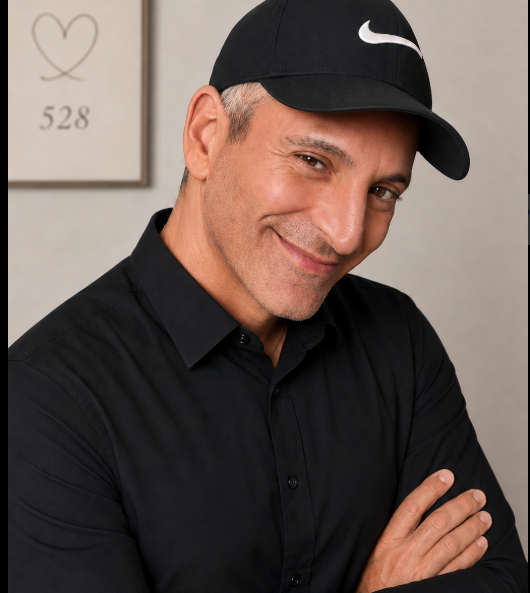
The person before the technology
Who is with you in the room?
Yoni Yarom · Founder of VibeTune528 and NLP Master
Yoni works with automatic patterns, habits, and emotional responses, combining focused conversation with the CAPSoul environment. The aim is not to judge the response or make grand promises, but to understand it together and build another practical option.
Meet Yoni and the approachNo unnecessary question marks
Everything important to know before reaching out
The first session stands on its own. Afterwards, you can decide whether any follow-up is useful, there is no commitment to a series.
- 60 minutes in the clinic.
- ₪500 per session.
- Central Tel Aviv.
- Parking is available; contact us for exact arrival details.
- The session includes personal conversation, a CAPSoul experience, and a short anchor for home.
Fit before commitment
Who might this session fit?
- People seeking a complementary tool around overload, stress, and alertness.
- People who want to understand the link between trigger, body, thought, and response.
- People ready to take part in a focused session and practise a short tool afterwards.
- People willing to combine additional professional care when needed.
When is another response the right first step?
Acute attacks, active trauma, significant functional impairment, suicidal thoughts, danger, or a need for diagnosis require qualified care or immediate help. A new, unusual, or intense physical symptom needs medical assessment.
Important to know
CALM 528 is a wellbeing and complementary personal-support session. Sound and frequencies create a supportive sensory environment; they do not diagnose, treat anxiety, or stop an attack. This is not psychological, psychiatric, or medical treatment and not emergency care.
Ministry of Health information about anxiety care
Mental-health support and immediate help
Knowing in advance reduces uncertainty
Frequently asked questions
Begin with one question
You do not need to decide on a process now. Only check whether the session fits.
Write: I would like to check the fit. I will reply personally, explain calmly how it works, and say honestly if this is not the right response.
Start a short conversation with YoniCentral Tel Aviv · Parking available