

528 · 4 דקות קריאה
הסיגריה שלפני השיחה
לפעמים השיחה הקשה עצמה נעשית טריגר, והסיגריה הופכת לטקס השהיה. מיפוי עדין של הרגע מוסיף מרווח בלי בושה ובלי להחליף תמיכה מקצועית.
Identify your smoking cues, practise alternative responses and plan how to continue when things get difficult.
A short, discreet fit call, no commitment. Two sessions are the structure of the process, not a promise of an individual outcome. Please don't send medical or sensitive personal information.
Nicotine dependence and learned cues can work together. Behavioural support and medication are evidence-based options to discuss with a health professional. Guidance at 528 focuses on habits and practical follow-through; it does not replace care for nicotine dependence.
Professional background (English)Everyday stories and experiments for reflection at your own pace.
528 · 4 דקות קריאה
לפעמים השיחה הקשה עצמה נעשית טריגר, והסיגריה הופכת לטקס השהיה. מיפוי עדין של הרגע מוסיף מרווח בלי בושה ובלי להחליף תמיכה מקצועית.
528 · 4 דקות קריאה
לא חייבים למצוא את השיטה המושלמת. אפשר לזהות טריגר חוזר ולהכין מראש פעולה אחת מציאותית שמחזירה רגע של בחירה.
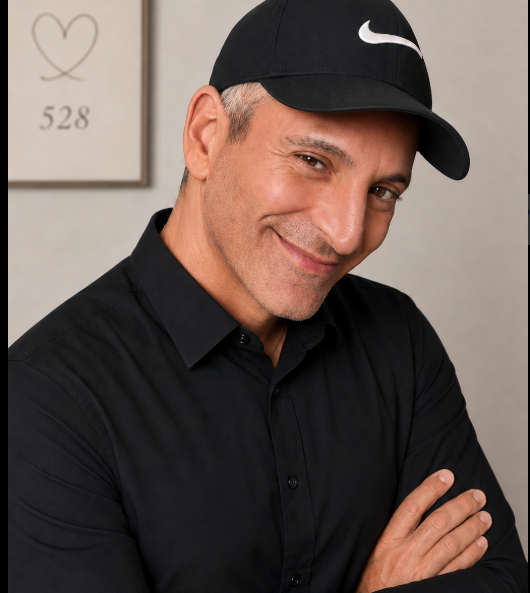
Yoni Yarom
Founder of VibeTune528 and an NLP master for changing habits and automatic patterns
Yoni combines close listening, mapping of automatic patterns, and practical NLP tools with the CAPSoul environment for calm, focused work. There is no lecture and no war on the habit—there is a precise look at what the cigarette is trying to provide and a different way to meet that same moment.
Identify the cigarette linked to coffee, the car, pressure, and social moments—and the distinct role of each one.
The conversation, mapping, and work are all one-to-one with Yoni, with close attention and no judgment.
CAPSoul creates a calm, focused environment; it is not a magic device and does not choose for you.
A 12-month return framework lets you come back, see what reactivated the pattern, and refine the process.
We don't start with a device or another demand for willpower. We start with what the cigarette does for you.

The hand that reaches over coffee. The cigarette in the car. The five minutes after a hard call. The break in a packed day. These are routes the body and mind have learned by heart—and the first session maps them so another option can be built into them.
Sometimes the hand reaches before the thought arrives.
Road, music, and cigarette can become one automatic sequence.
The cigarette can look like the fastest route to a few minutes of quiet.
Sometimes it's a fixed ending, sometimes belonging, and sometimes a moment that's only yours.
From autopilot to a new margin
Nicotine can create physical dependence. At the same time, coffee, pressure, driving, and breaks teach the mind to link particular moments with a cigarette. It matters to know which part this process works with—and what can be combined alongside it.
Cravings and withdrawal symptoms may be part of quitting. When relevant, nicotine replacement, guidance from a family doctor, or a certified cessation service can be combined.
This is Yoni's focus: triggers, momentary relief, inner narrative, and the automatic response that sends the hand back to the pack.
Yoni's process can sit alongside suitable medical guidance; it does not replace it and does not present frequencies as a treatment for nicotine dependence.
Not another lecture about the harms of smoking, but a personal process with a clear outcome from each stage and a safety net after the sessions.
Map the situations, feelings, and habits that spark the urge—up to about 60 minutes with Yoni.
Define a clear, practical goal and build alternative responses for coffee, driving, pressure, and social moments.
Up to about 60 minutes of emotional and habitual work in a quiet sensory environment designed to support calm and focus.
If smoking returns, you can request to repeat the full process at no extra cost, up to once every 30 days and subject to the terms.
Without mapping, CAPSoul may stay just a pleasant experience. Without calm, the decision may stay another willpower struggle.
Two sessions are the structure of the process—not a promise of the same result for everyone.
Up to about 60 minutes
We don't talk about smokers in general. We build a personal map of what activates the urge, what the cigarette gives in that moment, and where an earlier attempt lost its hold.
At the end, you leave with a personal trigger map, a SMART goal, and an initial plan for moments of urge.
The room combines an enveloping environment, sound, and a frequency system as part of a space meant to reduce distraction and support calm and inner focus. Inside this quiet space, we work on the emotional connection between you and the cigarette.
The decision isn't made out of fear or "I have to quit," but out of clarity and connection to what we truly want for ourselves.
 A quiet space for inner work
The room was built to reduce distraction and create conditions for quiet, presence, and inner attention. Sound and frequencies are part of the environment—the work remains human and personal.

The sound and frequencies don't neutralize nicotine and don't decide for you. They're part of a sensory environment meant to support calm, reduce distraction, and enable more focused emotional work.
The technology creates the space. The emotional work and the choice are yours.
Triggers, the need underneath the smoking, the autopilot, your personal goal, and the ability to create a gap between the urge and the action.
Nicotine can also create physical dependence. Our process focuses on the emotional and habitual component and can be combined with medical guidance or a certified cessation service.
The decision made in the room later meets real life: stressful days, old habits, and unexpected moments. If smoking returns, you can repeat the full process at no extra cost, up to one return every 30 days, for 12 months from the end of the original process, by written request and scheduled in advance, subject to availability.
Returning to smoking is information that shows what still needs strengthening. The return framework expresses our commitment to refine and support the decision. The benefit is personal, non-transferable and cannot be converted into cash. The return framework is not a promise of an individual outcome.
Read the full return-framework termsDirect answers so you know what to expect before reaching out.
You only need to check whether it is time for a path that doesn't rely on another fight with yourself. A short call with Yoni clarifies what the cigarette gives you, what you want instead, and whether the process fits.
This contact is for scheduling and a fit check only. Please don't send medical, clinical, or sensitive personal information.
The process focuses on the emotional, habitual, and mindset aspects of smoking and doesn't replace medical counseling or certified cessation treatment. To quit smoking, it's also recommended to explore professional support through your health fund or through the National Smoking Cessation Call Center of the Ministry of Health *6800.